Continuity
Continuity is to film certain shots and make particular
edits in order to make the scene flow as best as possible making the audience
feel it’s a well-produced movie without them be aware its real life, they like
to escape real life while watching films and ensuring the following features
help with that escape:
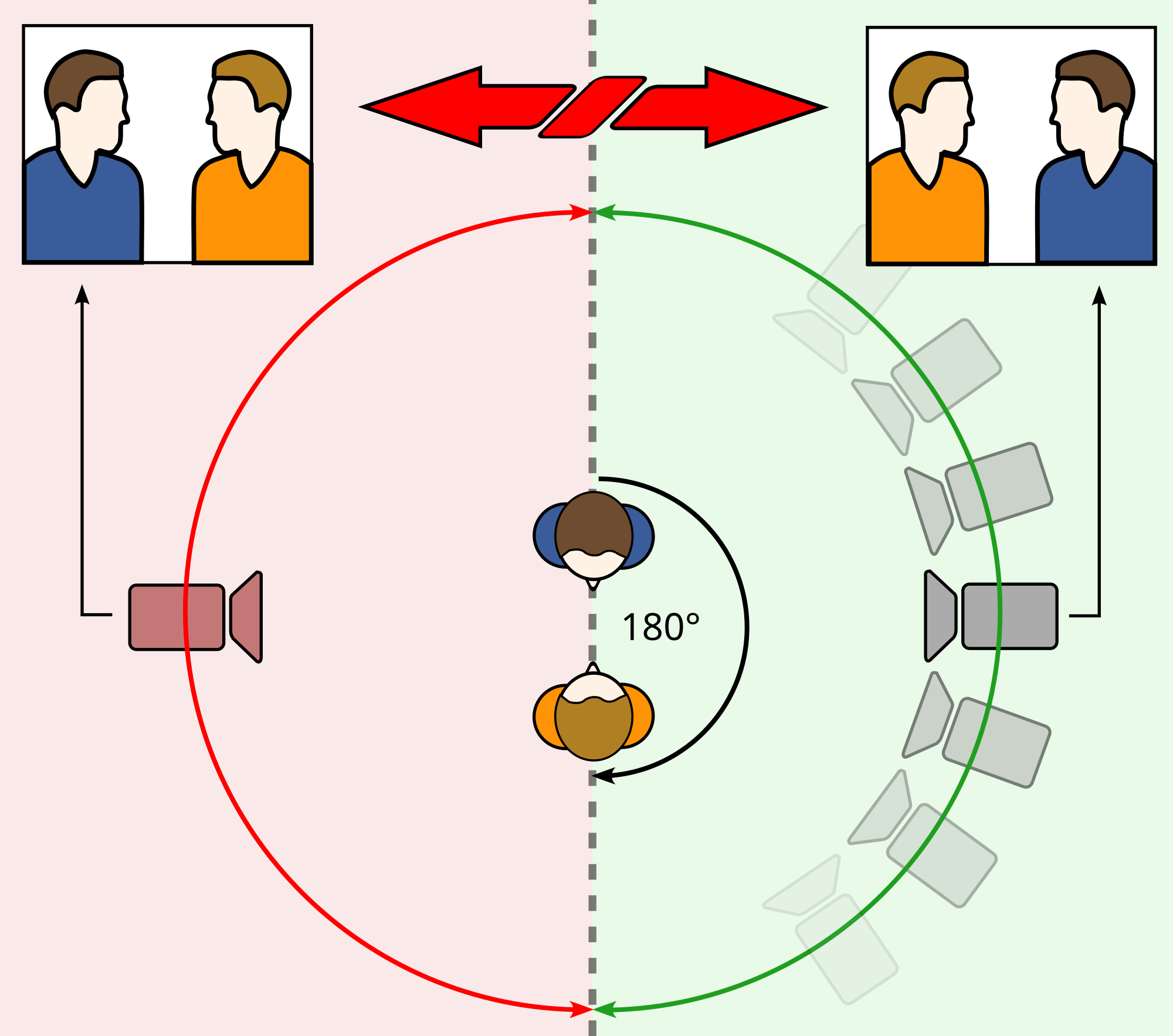
- The 180 rule
This is a basic
guideline about the on-screen relationship between a character and another
character or object within a scene. To
understand the 180 rule and to apply film making you need to imagine a line
which cuts the scene in half. Similar to an axis and by keeping the camera on
one side of this axis for every shot in the scene it creates continuity.
- Match on Action (cutting on action)
This is where the
editor cuts from one shot to another that matches the first shot's action. It
looks as if they had been filmed all at the same time but in fact they may have
actually been shot hours apart from each other. This creates continuity because
it all flows well when edited together. To prevent the audience from noticing
the editing the editor creates a “visual bridge” which is designed to distract
them while watching so they are concentrating on something other than the
editing.

- 30 degree rule
This is a simple
rule that all film makers abide by. The camera shouldn’t go within 30 degrees between
shots of the same subject occurring in succession. Failure to follow this rule
a jump cut occurs which can distract viewers and make them concentrate on
filming where they might notice editing as well. Exception can be made through;
some films intend to do jump cuts to create a certain mood.

- Shot reveres shot
This is where one
character is shown looking at someone else, and then the other character is
shown looking back at the first character as if they are having a conversation.

- Rule of thirds
This is when the frame is cut up using 4 invisible lines
creating 9 sections which create reference points which act as guides for
framing the image. So you know where to place certain features.


No comments:
Post a Comment